

Summary:
Missing a tooth changes more than just your smile. It affects how you eat, how you speak, and, honestly, how confident you feel. Maybe you lost a tooth years ago and have just been living with the gap. Or maybe it’s recent, and you’re scrambling for options.
Dental implants in Taylor, TX, offer something bridges and dentures can’t match: a permanent replacement that looks, feels, and functions like your natural tooth. No slipping, no clicking, no worrying about adhesives.
The technology has come incredibly far. What used to be complicated is now routine, with success rates above 95%. A dentist can evaluate whether you’re a good candidate.
In this article, we’ll cover:
- What dental implants are and how they work
- Who makes a good candidate for implants
- The dental implant procedure from start to finish
- Long-term care and what to expect
Let’s dig into why implants have become the gold standard for tooth replacement.
What Are Dental Implants?
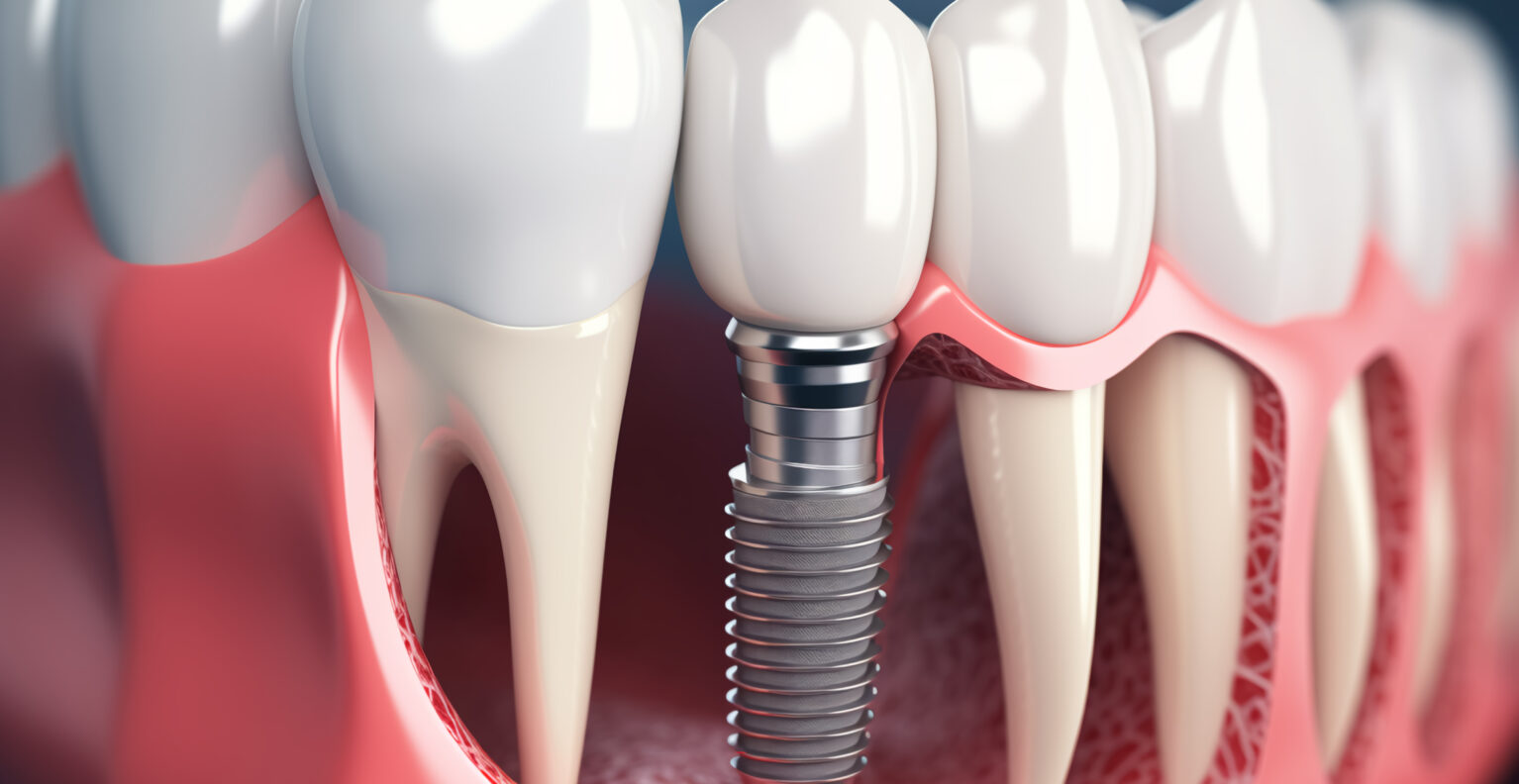
A dental implant is a titanium post that is placed into your jawbone where the tooth root used to be. Once the bone heals around this post (called osseointegration), it becomes a stable foundation. Your dentist then attaches an abutment (a connector piece) and, finally, a crown that looks and functions like a real tooth.
Unlike dentures that sit on your gums or bridges that rely on neighboring teeth, implants stand independently. They stimulate your jawbone like natural roots do, preventing the bone loss that typically happens after tooth loss.
The result? A replacement tooth that’s as close to the real thing as modern dentistry can get. You brush it normally. You eat whatever you want. Most people forget which tooth is the implant.
Implants can replace a single tooth, multiple teeth, or serve as anchors for full dentures.
Do You Need Dental Implants?
Tooth Loss from Injury
Accidents happen. Sports injuries, falls, car crashes, and sometimes a tooth gets knocked out. Implants restore function and appearance permanently.
Tooth Loss from Decay or Gum Disease
When a tooth becomes too damaged to save, extraction becomes necessary. Implants provide replacement planning.
Congenitally Missing Teeth
Some people are born without certain teeth. Once facial growth is complete, implants fill those gaps naturally.
Failed Dental Work
Sometimes old dental work fails beyond repair. Implants offer a fresh start with better long-term prospects.
Denture Wearers Seeking Stability
Tired of loose dentures? Implant-supported dentures provide stability without the bulk or hassle. The key is having enough healthy jawbone. If bone loss has occurred, bone grafting can often rebuild what’s needed.
Benefits of Choosing Dental Implants
-
Permanent Solution:
Implants are designed to last a lifetime with proper care. Bridges need to be replaced every 10-15 years. Dentures wear out. Implants become part of you.
-
Preserves Jawbone:
When you lose a tooth, the jawbone in that area starts shrinking. Implants stimulate the bone like natural roots do, maintaining density and facial structure
-
No Impact on Adjacent Teeth:
Bridges require grinding down healthy neighboring teeth. Implants stand alone, leaving other teeth untouched.
-
Natural Function:
You can bite with the same force as natural teeth. Apples, corn on the cob, or steak; nothing’s off limits.
The Dental Implant Procedure
Getting dental implants in Taylor, TX, is a multi-step process taking several months. Understanding each phase helps set realistic expectations.
Initial Consultation and Planning
Your dentist examines your mouth, takes X-rays or CT scans, and evaluates bone density. They’ll discuss your medical history, as certain conditions can affect healing. If you need extractions or bone grafting, those happen first and require healing time.
Implant Placement Surgery
The dentist makes the area completely numb. They cut a small hole in your gum, drill a precise hole, and put in the titanium implant post. The gum is sewn up. It normally takes one to two hours to do the surgery for each implant.
Healing Period (Osseointegration)
Over the next 3-6 months, your jawbone grows around the implant, fusing with it. This integration makes implants so stable. You’ll typically wear a temporary tooth during this period.
Abutment Placement
Once osseointegration is complete, the dentist will reopen your gum to place the abutment and allow the gum to heal around it. This takes a couple of weeks.
Crown Placement
Finally, your custom crown gets attached. Your dentist checks the fit, makes sure your bite feels right, and secures everything.
Recovery and Aftercare
After Implant Surgery
Some swelling and bruising are normal for the first few days. Ice packs help. Over-the-counter pain relievers handle most discomfort. Stick to soft foods for about a week. Avoid the surgical site when brushing, but keep the rest of your mouth clean.
During Osseointegration
Life goes on pretty normally during the healing months. You’ll have follow-up appointments to monitor progress. Avoid putting heavy pressure on the implant site.
Long-Term Care
Once your implant is complete, treat it like a natural tooth. Good oral hygiene is crucial; plaque can accumulate around the crown and gum line, potentially causing infection.
Regular dental checkups let your dentist in Taylor, TX, monitor the implant. Most well-maintained implants last 25+ years, with many lasting a lifetime.
Implants vs. Other Options
Implants vs. Bridges
Bridges require altering healthy adjacent teeth. They last 10-15 years before replacement. They don’t prevent bone loss. Implants leave other teeth alone. They preserve bone. They last indefinitely. Upfront cost is higher, but you’re not paying for replacements every decade.
Implants vs. Dentures
Traditional dentures rest on your gums and can slip. They require adhesives. Many foods become difficult. Bone loss continues underneath. Implant-supported dentures stay locked in place. You can eat anything. They feel more natural. Individual implants are even better; you forget they’re not your real teeth.
Patients Also Ask
-
How painful is getting a dental implant?
Most people report less discomfort than expected. You’re numb during surgery, and afterward, over-the-counter pain relievers usually suffice.
-
How long do dental implants last?
With proper care, implants can last 25+ years, often a lifetime. The crown might eventually need replacement, but the implant post rarely fails.
-
Can dental implants get cavities?
No, the crown can’t decay. However, gum tissue around the implant can get infected without good hygiene.
Conclusion
Dental implants in Taylor, TX, provide the most comprehensive solution for missing teeth. They restore full function, preserve jawbone, and look completely natural. Unlike temporary fixes that need constant maintenance and replacement, implants are designed to last.
Working with an experienced dentist ensures proper placement and the best chance of long-term success. The process takes time; several months from start to finish, but the result is worth it.
If you’re living with missing teeth or facing extraction, don’t settle for less permanent solutions. Schedule your dental implant consultation.
Takeaway:
- Dental implants permanently replace missing teeth with titanium posts that integrate with the jawbone.
- They preserve bone, don’t affect adjacent teeth, and function like natural teeth.
- The success rates for dental implants in Taylor Dental and Braces exceeds 95%.
- Most people with missing teeth are good candidates, though bone density and overall health matter.